
Fellowship
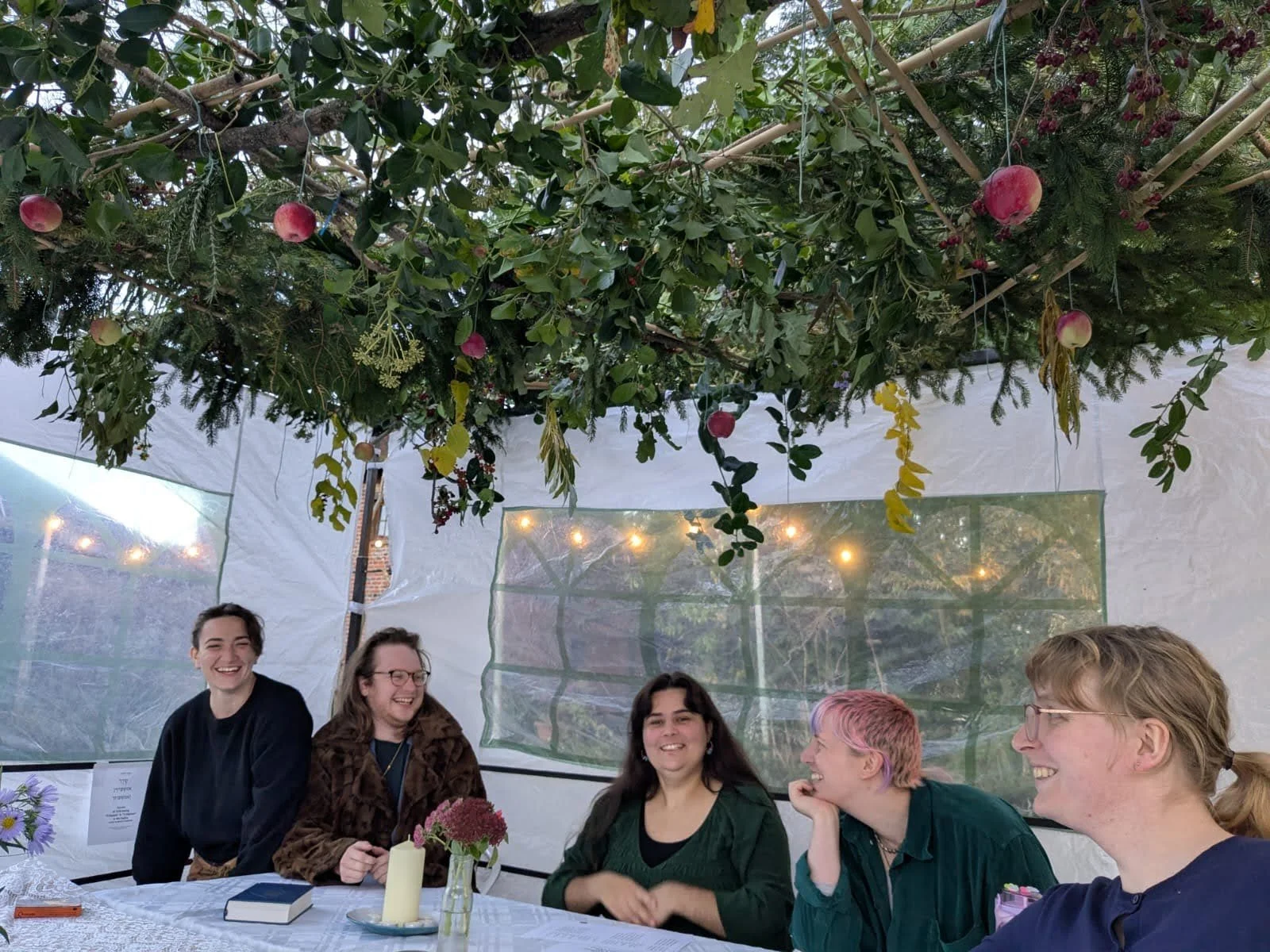
The Sadeh Fellowship is a programme for adults that integrates food growing, regenerative land management, Jewish learning, and communal living. The fellowship program also weaves in themes of food justice, ecology, social action, and leadership. Fellows learn and work and live at Sadeh farm, based in Kent.
Our next programme is the Sukkot Immersive 22nd of September - 5th of October 2026. Apply here.
Please use the contact form below to get in touch if you have questions.
About the Fellowship
Food growing & Regenerative agriculture
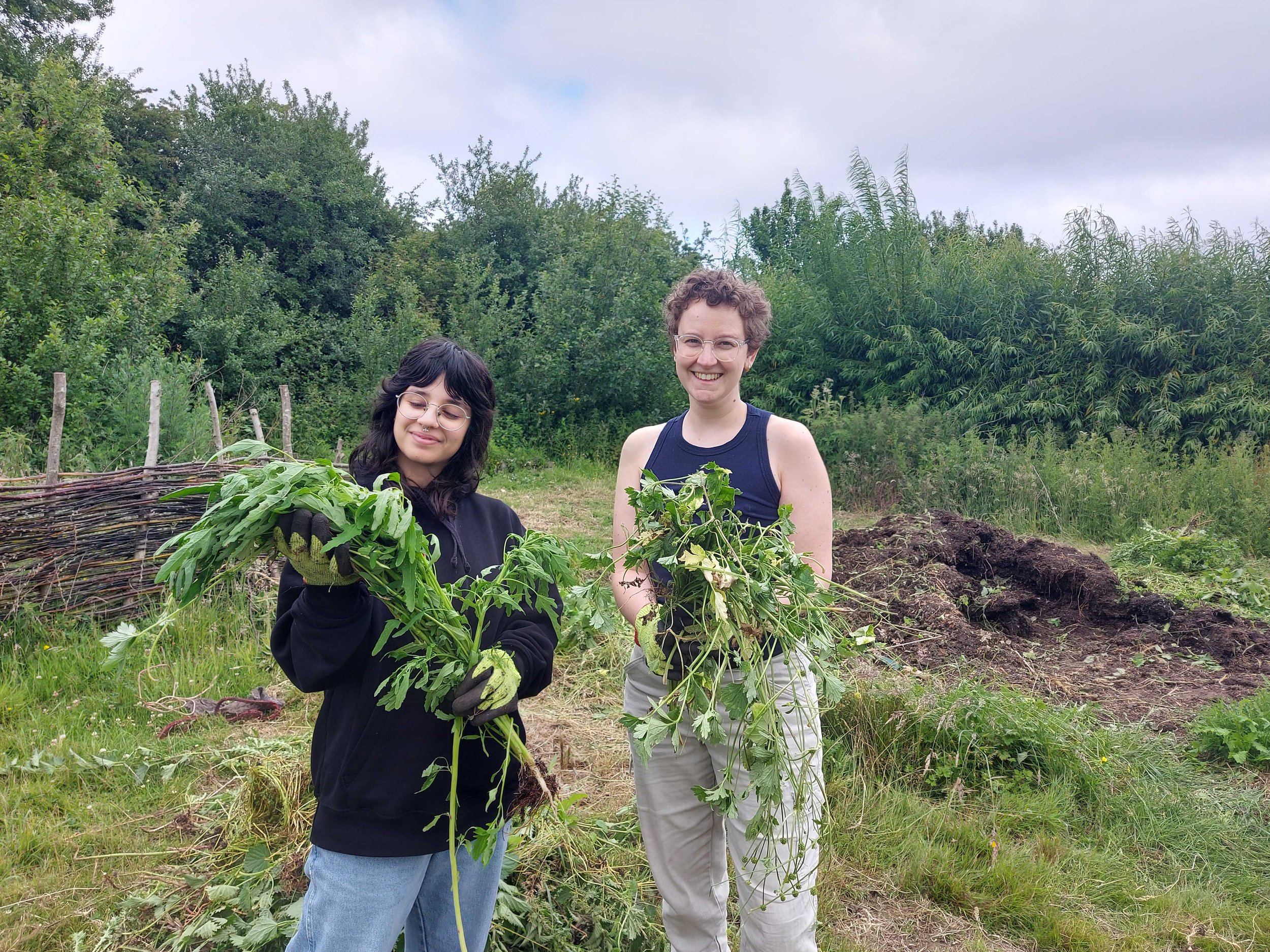
Fellows spend time learning and practicing sustainable agriculture on our 6 acres of land in Kent. They are involved in food growing, food preserving and land management including: maintaining soil health, bed preparation, harvesting, fermenting, planting, organic pest control, hedgerow maintenance, tree work, and animal care (chickens). Fellows take on significant responsibility for farm and site chores; their work keeps the Sadeh land alive and thriving.
Judaism
The programme opens up access to Jewish values, traditions and rituals and puts Jewish practice into the hands of fellows. We create opportunities for fellows to step into an active role in creating the Jewish community they want to be a part of, with support from our staff along the way. Shabbat is fellows’ time off. The work-week ends on Friday a few hours before sunset, and begins again on Monday morning. After an intense week of learning and growing, Shabbat can be a profound time of reflection, and rejuvenation.
Community Building
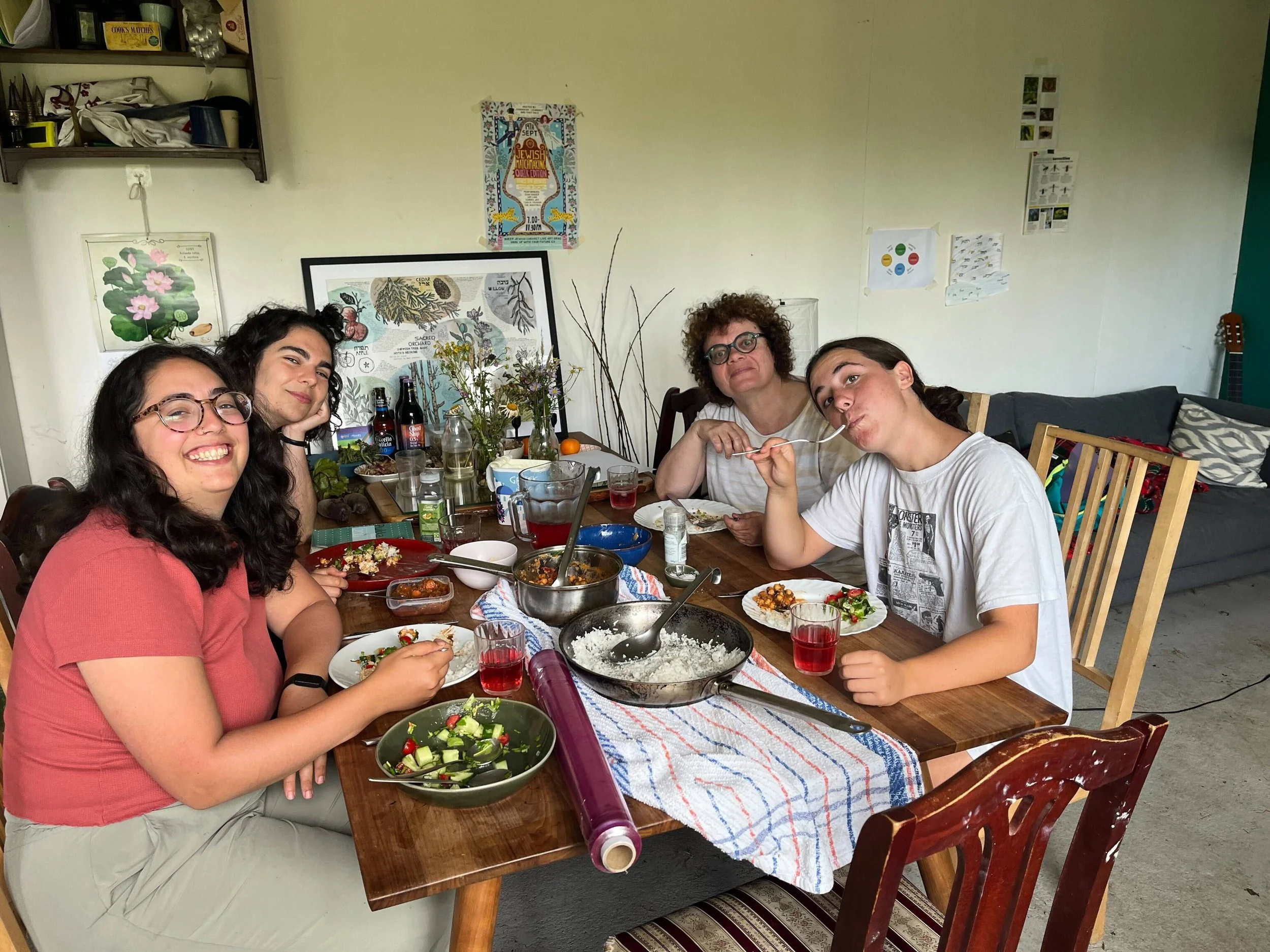
Living in community is central to the Fellowship. The fellows eat, cook, clean and live together. The fellows look after each other and encourage one another which creates a strong community that lasts beyond their time at the Fellowship. The fellows make decisions on how they will live in community at their fortnightly house meetings which they organise and facilitate alongside staff who live in the community.
Environmental Education
There are regular classes focusing on different environmental topics from learning about bees to composting to the Jewish agricultural laws and local ecology. Through these classes we explore the intrinsic links between land stewardship and social justice and how we can view this through our Jewish learnings and traditions.
Fellowship FAQs
-
No! No experience in farming or food growing is required.
-
We welcome participants from a wide range of Jewish backgrounds some of whom have had formal Jewish education and some of whom have only just found out they are Jewish. No prior knowledge or experience of Judaism is needed for this programme. We will engage with Jewish tradition and culture throughout the programme by celebrating festivals, marking Shabbat, classes focused on agricultural Judaism and meditation or accessible prayer.
-
Please fill out the form for the Fellowship you wish to apply for. If you have any questions about the form, please contact Shel at info@sadehfarm.co.uk.
After we’ve received your application, we’ll read and review it. We’ll then email you to either offer you an interview, or to let you know your application wasn’t successful. The interview is a chance for you to get to know us a bit better, and for us to get to know you! We have a couple of questions to ask you (and we can send these to you in advance, just let us know) and you’ll have time to ask us anything you want to, too.
When we’ve interviewed all the suitable applicants, we’ll email you to let you know if you’ll be joining the Fellowship.
-
All our Fellowships and Immersives are on a sliding scale contribution. The requested contribution is between £100-500 depending on the length of the program and covers everything from food to accommodation to program supplies.
We work hard to fundraise and get grants to subsudise the cost of participation for everyone. There are a few full scholarships available every year for those that need. We believe that cost should not be a barrier to connecting with nature and your Judaism.
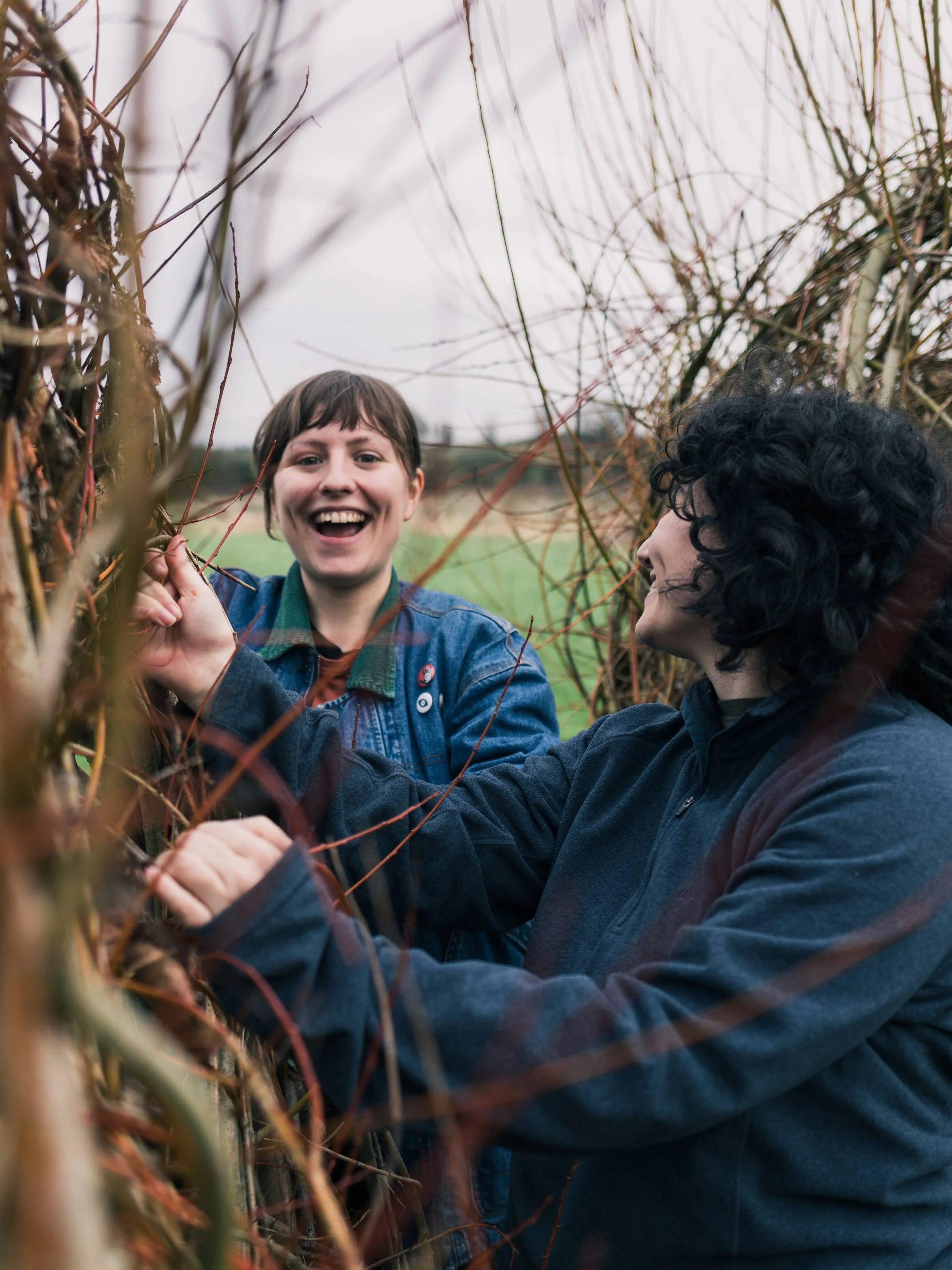
Photo: @TalTakingPics
Apply now
Applications are not yet open for our Spring 2027 Fellowship. Please check back soon, or reach out if you would like to learn more.
Find out more
Alumni Stories
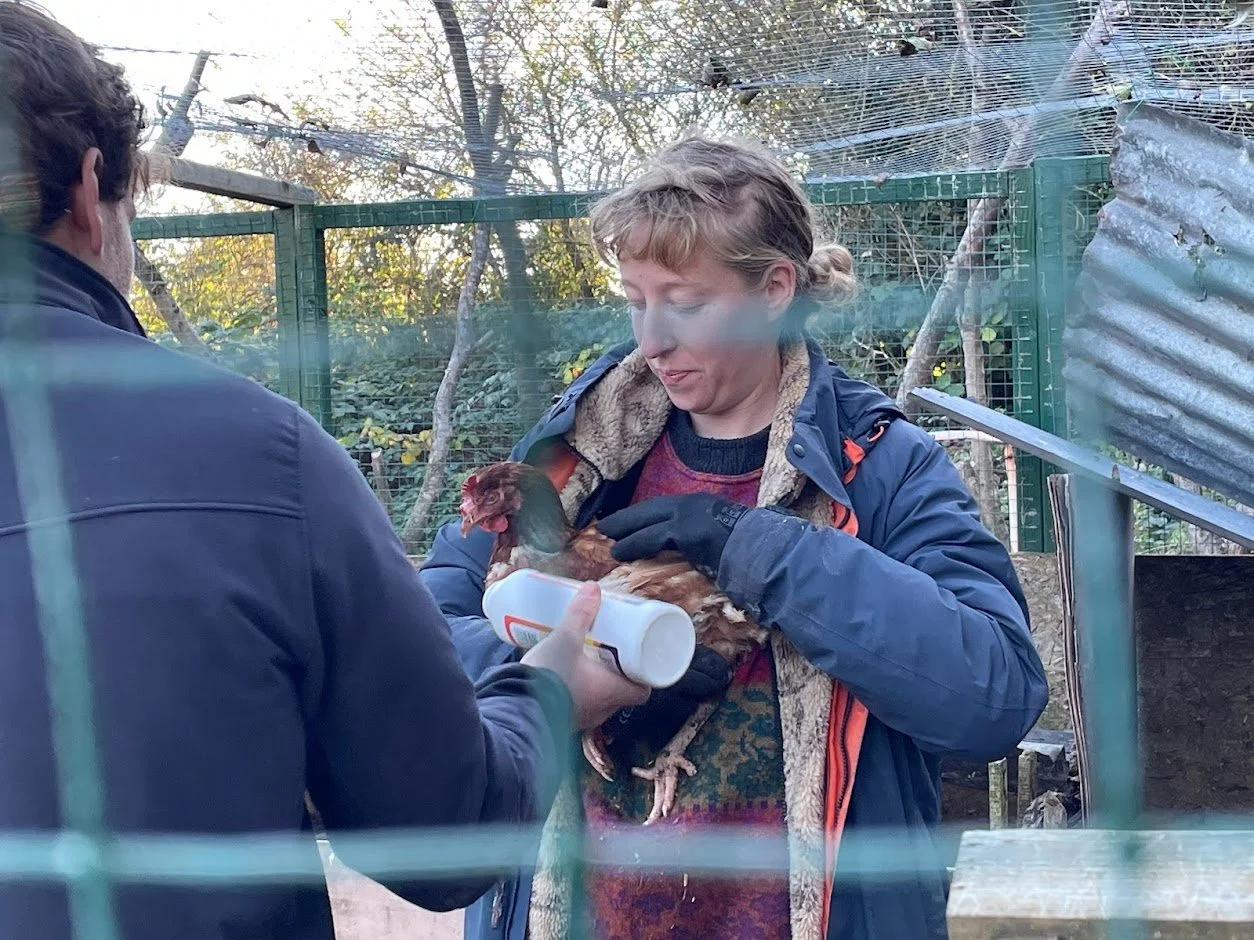
Rosie came to Sadeh as a Fellow in the summer of 2021, and stayed on as our Food Growing Apprentice through the autumn. During her apprenticeship, she would go into London once a week to volunteer in Greencare at Stepney City Farm, where she was hired at the end of her apprenticeship at Sadeh as the Schools Programme Manager!
Rosie gives tours and educational workshops to school groups on where food comes from, how to grow food sustainably, looking after the environment and more.
“I learnt so much at Sadeh, and am super grateful, in particular to Reu, and for all of the food growing and land work skills that I still use today in my job, part of which includes looking after the Children’s Garden and teaching young people how to garden and grow food.”
“Being part of the Sadeh community is one of the most special things for me – having made some amazing, life-long friends, and I still love going back to visit everyone, as well as meeting the new fellows. I also still love any opportunity to continue engaging with any Earth-based Jewish learning/events/singing.”
Another former Fellow, also named Rosie, shares:
“Sadeh laid the foundations for my exploration into my Jewish roots and Jewish community is now a big part of my life. Since being at Sadeh, I have continued to hold Shabbat dinners with a community of Jewish pals. Our Shabbat dinners are a way of us holding space for each other, sharing kvetches and kvells, centring rest and platonic love. The dinners are also a space to discuss ways towards collective liberation, educating each other on articles, films, movements and direct action groups we’ve learnt about in the week. We also hold Mikvahs for each other mostly centred around trans affirmation, which are inspired by a mikvah I had at Sadeh to celebrate my non binary identity.”
“Sadeh taught me how nourishing it is to share food/songs/prayers with people and carve out time to be intentional about rest. Being at Sadeh taught me how to centre rest in a way I have never done before, through the practice of Shabbos. I still sing all the songs & prayers I learnt at Sadeh that soothe my soul and it feels really special to share these with new community.”
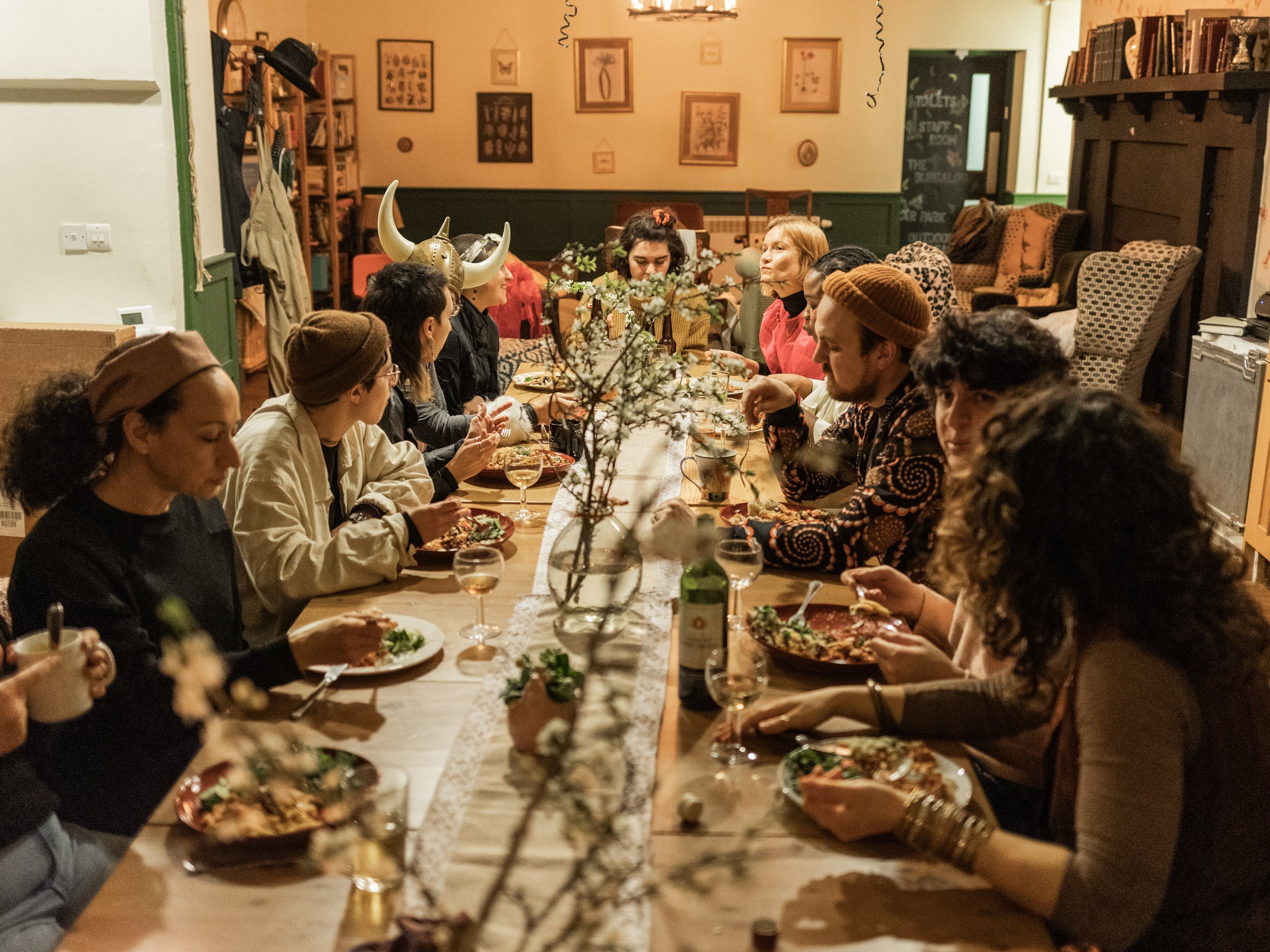
Photo: @TalTakingPics